In three months, I might see a tiny sprout. In three years, I might be able to plant it. In three decades, it might look like a tree. By then, I may be dead.
But the seeds I’ve planted will develop roots and grow tall. Eventually, some will create new seeds, and then new trees. Or so I hope.
It’s like planting seeds of civility, or understanding, or kindness. Some won’t take root. Some will take root and then wither. But some will grow, and spread. Somebody has to start planting, even if we don’t personally see the results. So let it be me. I’m glad I have company, because it can be a long job.
This job is turning out longer than I expected. I’ve harvested seeds from the Northern White Cedars that grow at Camp Many Moons, on the shores of Huron Bay in Michigan’s Upper Peninsula. We’ve cut down a lot of cedars, and many that are still standing are dying. This makes me sad because they are beautiful, fragrant, and tough; some live several hundred years. So when “my” cedars started dropping seeds last month, I gathered them. (I know now that I was gathering cones. They were so small, I thought they were seeds.) When I found out they drop cones infrequently, I gathered even more…and took them home with me.
Now, at my home on the east coast, I’m taking the first step to turn these seeds into trees. It’s been quite an education so far. See more in captions below.
We’ve cut down a lot of cedars while clearing this land, and even more when we opened up a plot for an eventual cabin.
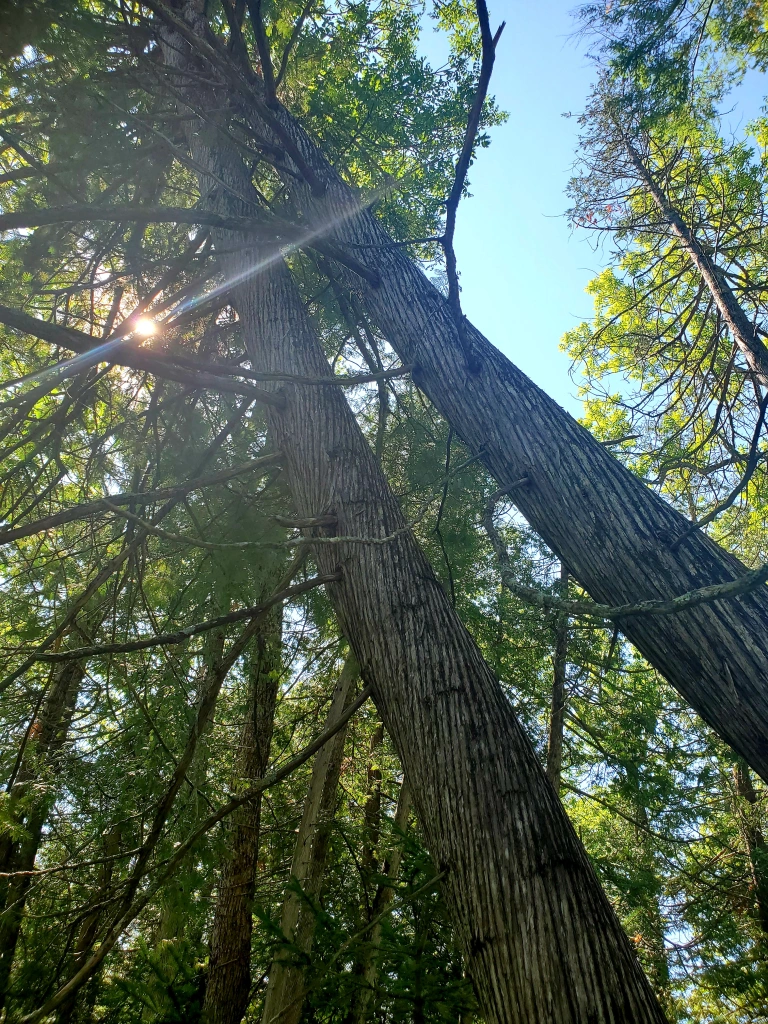
The cedars at Camp Many Moons grow about 60 feet tall. Their sinewy bark is easy to identify as cedar but it took research to find out exactly what kind: Thuja Occidentalis, known more commonly as Northern White.
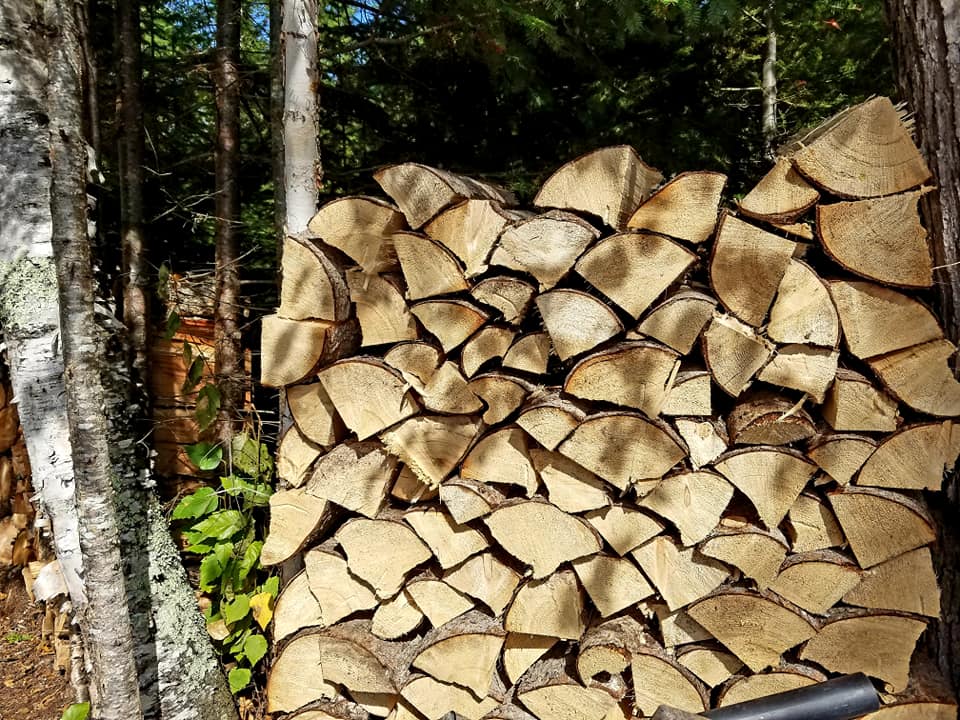
Cedar wood piles “decorate” Camp Many Moons. It burns well and makes a great crackling sound. (It also sends out sparks, which create burn holes. All clothes that I wear by the bonfire becomes “camp clothes” and never live anywhere else.)
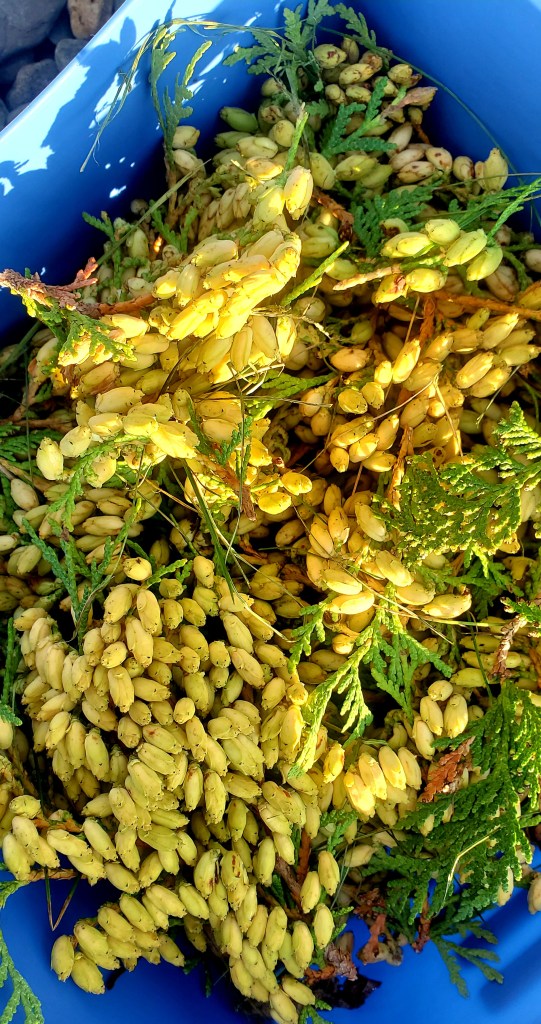
These are cedar cones, holding 2-5 seeds each. They are bright-yellow and grow in clumps so when I harvested them, I thought they were seeds. I’m a bit embarrassed by that now, but we are all beginners at something!
I searched the ‘net to figure out what to do with cedar seeds. Several sources said to soak first and then dry, so I did. After soaking (one source said 15 minutes, another said 48 hours), and then drying in the sun, they would go into the fridge to simulate winter. I first soaked for 15 minutes and dried for a few hours. At this point, I still thought these were seeds and was hoping to see little sprouts coming off the ends.
Something told me I wasn’t doing it right, so I did more research and finally figured out that these are cones, not seeds. (Sometimes you have to find the right picture, or YouTube video, and that took time. I don’t think a lot of people do this with cedar seeds! Other than foresters, and I guess they don’t post publicly.) Next, I had to figure out how to get the seeds out.
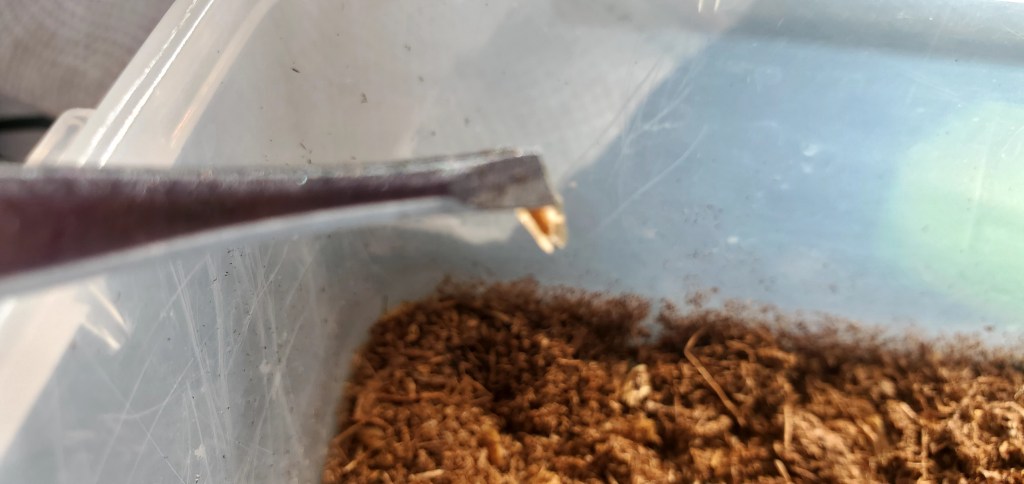
I spent a few days pulling the cones apart and digging out the tiny seeds (less than 1/4 inch long).
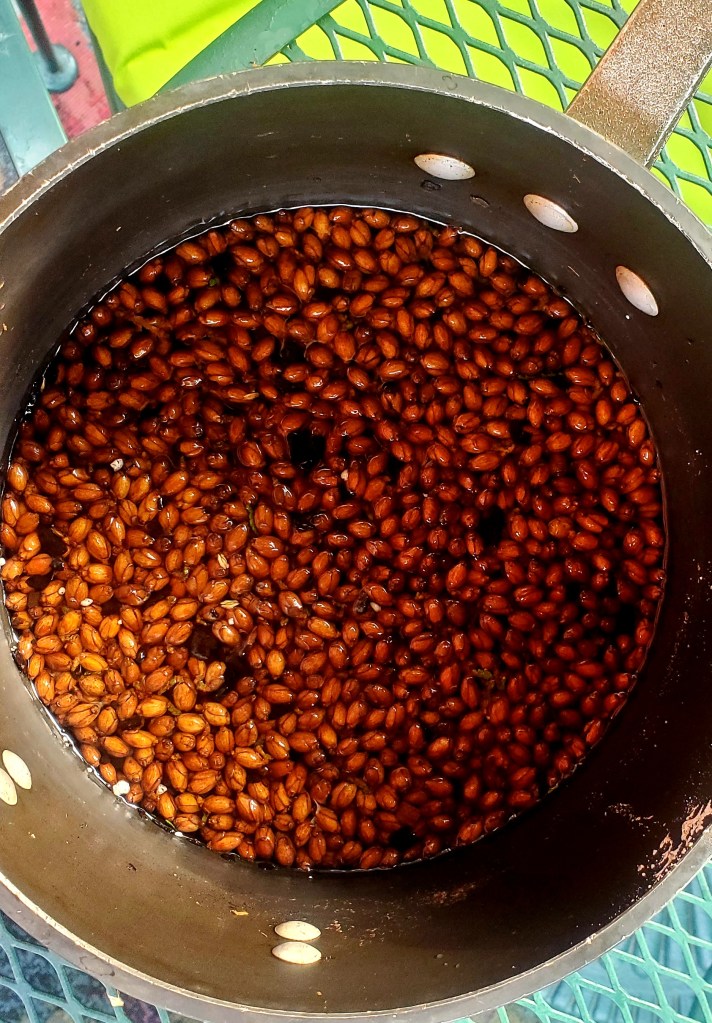
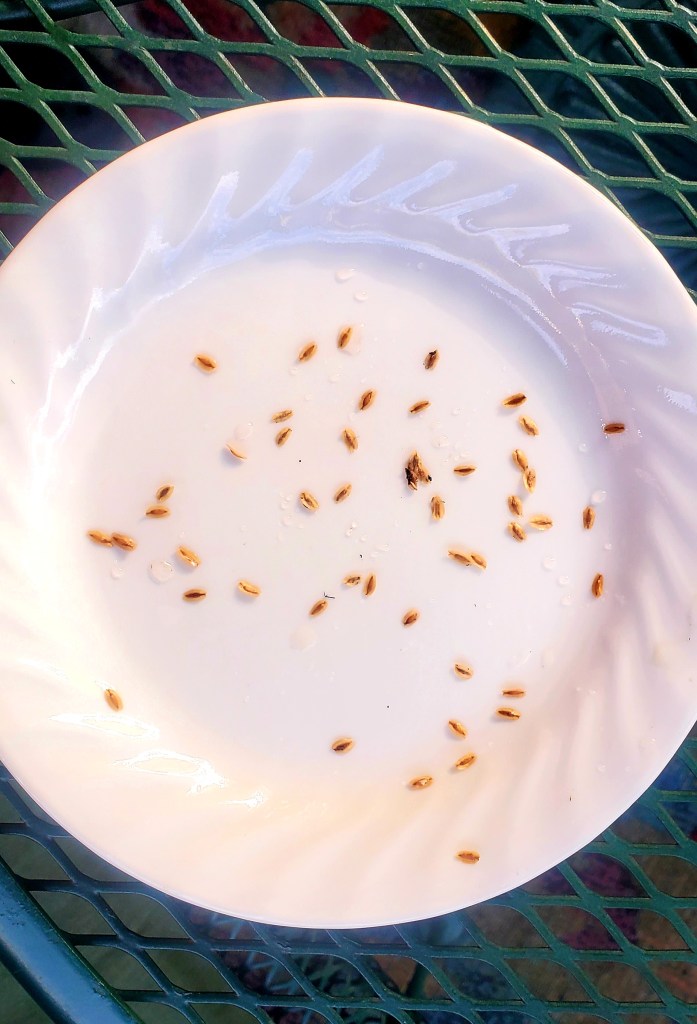
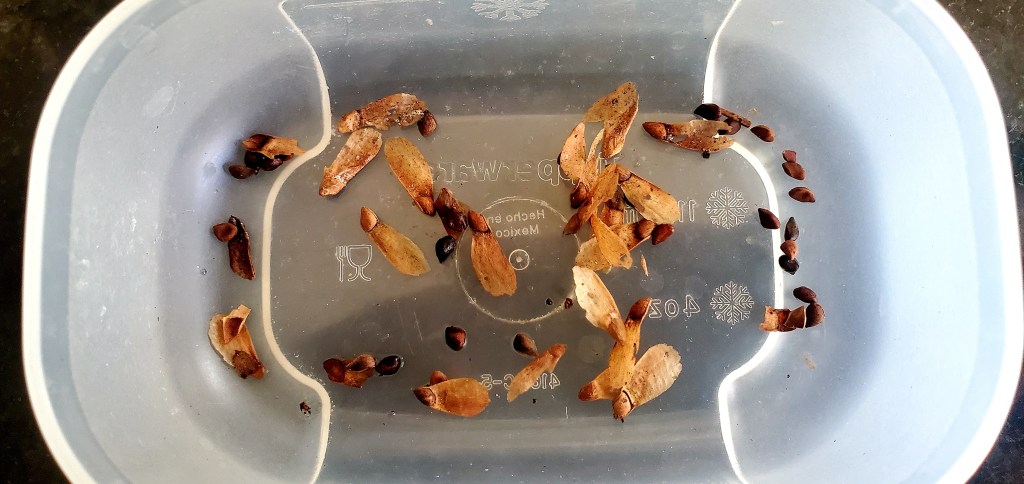
After prying open the tiny cones and using tweezers to pull out seeds, I had this. There must be an easier way! Since less than 50% of cedar seeds will actually germinate, I need a lot of seeds to get sprouts. So I tried soaking them for two days (keeping the water as warm as possible) and then dried them on a cookie sheet in the sun over two days. And then…
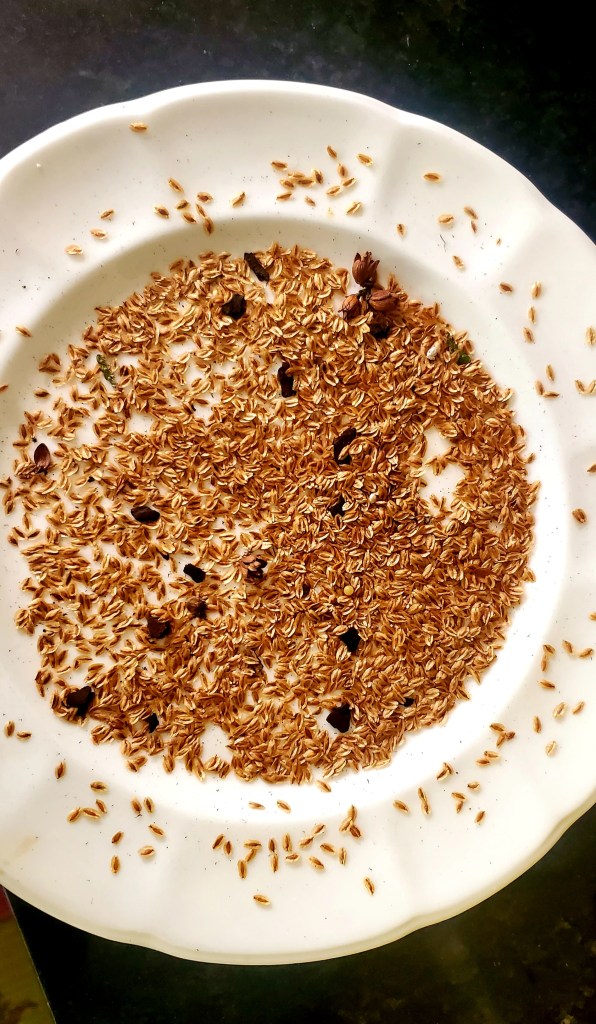
Look what fell out of the cones! I guess seeds (like people) need a little TLC and patience before they’re ready to face a whole new world. It’ll take a lot of time to plant them into soil one at a time!
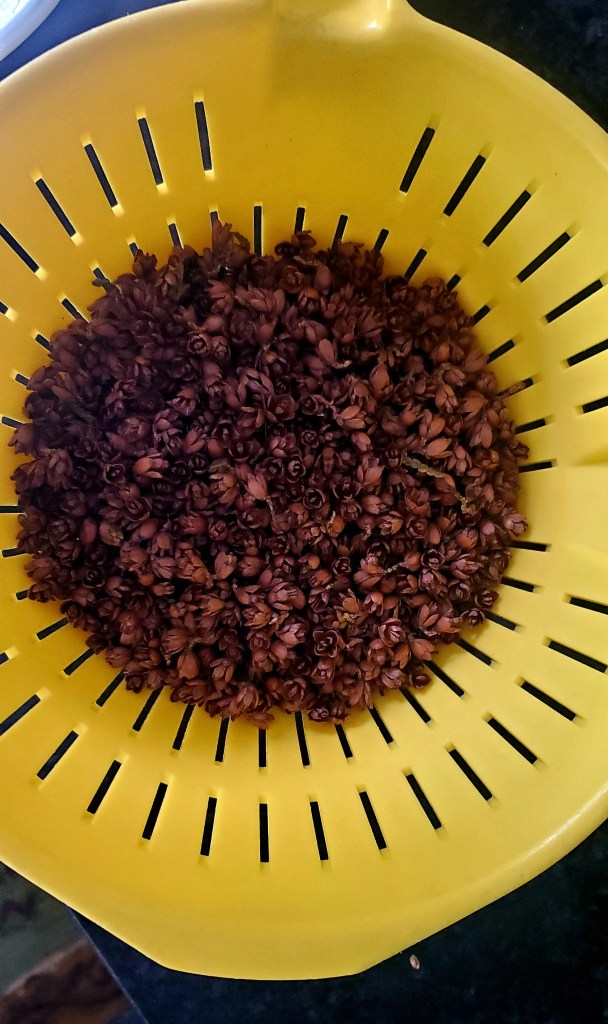
I was a bit reluctant to throw out these left-over (empty) cedar cones after our 1,000-mile trip from Lake Superior to Virginia, and weeks of puzzled trouble-shooting, But I did. Now the seeds will spend three months in the fridge. I’ll plant them indoors in early spring and may see baby plants by mid-summer. I hope to put saplings in the ground at Camp Many Moons in…spring 2024, I guess? Planting season is short in the north! This “planting seeds” business does indeed take patience, especially for trees.
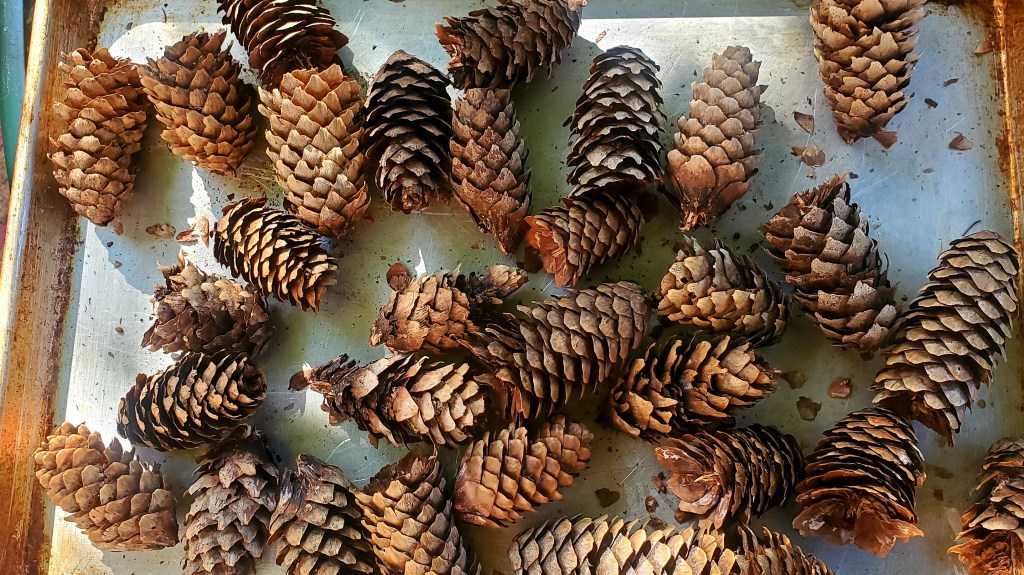
Meanwhile, I’ve also harvested cones from some very tall evergreens bordering my sister’s yard. (I’m not sure what they are, but look most like Tamarack.) Now these ones look like cones!
These seeds were much easier to extract from the cones. They’ll spend the winter in the fridge too. I have no idea what will happen when I put them into soil next spring. It’s another adventure! Maybe not as exciting as The Great Loop (see “The Boat” on this blog’s menu) but an adventure nonetheless. I like adventures. Not knowing how they’ll turn out is half the fun.
The US Forest Service has nurseries throughout the US. I’m sure they would be a great resource for you. When we were stationed in California we had an opportunity to share seeds with a visiting professor from Poland. I often wonder if he managed to get them to grow in his native land.


 For Many Moons
I’m a gardener and will be following this adventure for sure. (We’re in Demopolis having props replaced…no idea what we hit.)
LikeLike
Oh my! Good luck! We are so fortunate to not have had any major mechanical issues. I’m sure Jeff’s careful maintenance was one reason. But also luck.
LikeLike
Wow, what a process Mary! What an earth stewart you are.
LikeLike
You helped inspire me, with your garden!
LikeLike
You may have a full forest in 60 years.
LikeLike
The US Forest Service has nurseries throughout the US. I’m sure they would be a great resource for you. When we were stationed in California we had an opportunity to share seeds with a visiting professor from Poland. I often wonder if he managed to get them to grow in his native land.
LikeLike
Good idea!
LikeLike